Established in 2017, the Architecture Drawing Prize celebrates the significance of architectural drawing as a tool for capturing and communicating design ideas. Now a leading international competition, the Prize attracts entries from architects, designers and students across the world. Winning entries are exhibited at Sir John Soane's Museum in London, with selected works also displayed at the World Architecture Festival.
About
The Architecture Drawing Prize is a collaboration between Make Architects, Sir John Soane's Museum, and the World Architecture Festival. Winning entries are displayed at the Sir John Soane's Museum in London and at the World Architecture Festival, giving winners both national and international exposure.
In recognition of the evolving nature of architectural drawing, including the growing influence of AI tools and techniques, the awards are judged on an overall basis rather than in category silos. There are multiple winners and a special prize for hand-drawing. The overall winner will be revealed at the Sir John Soane's Museum in early 2027.
Entries are now closed for 2026.
Why enter
- Selected winning entries are displayed at Sir John Soane's Museum in a dedicated exhibition running from 27 January – 28 February 2027
- Selected winners will also be displayed at the World Architecture Festival in Fort Lauderdale, 18-20 November
- Entries are judged by leading figures in architecture and design
- All winners receive a ticket to World Architecture Festival 2026; the overall winner also receives a ticket to WAF 2027
- Winners are displayed on the WAF website as well as international media publications including ArchDaily
- A platform dedicated to architectural drawing and draughtsmanship, distinct from project-based awards
- Affordable entry – £149 + VAT, with 50% off for students and under-30s
Entry guidelines
About the Prize
The Prize is judged on an overall basis, reflecting the evolving nature of drawing production, including the growing influence of AI tools and techniques. Entries are not assessed in category silos; all drawings are considered together.
Judges meet in person to review submissions and assess them against the following criteria:
- Technical skill
- Success in conveying a design idea, whether a general concept or a specific proposal
- Originality of approach
- Quality of drawing, irrespective of the project it represents (built, unbuilt or purely conceptual)
- The extent to which the drawing makes a proposition about architecture
Who can enter
The Prize is open to all architects, designers and students.
What to submit
The online entry form includes:
- Title of entry
- Name of entrant
- A project description outlining the intention and context of the drawing (up to 150 words)
- Means and method of production, including details of any digital programmes used and, where relevant, how AI has been deployed. Please also indicate if your drawing is hand-drawn using the tick box provided.
- Dimensions of the original drawing
- An uploaded image of your drawing
You are not required to supply the original artwork at the point of entry.
Winning entries will be displayed at the dedicated Drawing Prize exhibition at the Sir John Soane's Museum, London in early 2027. Selected winners may also be displayed at the World Architecture Festival in November 2026. Depending on the type of drawing, winners may be asked to provide their original artwork following the judging process.
Entries are now closed for 2026.
The 2026 judges
Ben Langlands and Nikki Bell, Artists
Federica Minozzi, Group CEO, Iris Ceramica Group
Ken Shuttleworth, Founder, Make Architects
Lily Jencks, Executive Chair, Jencks Foundation at The Cosmic House
Erin McKellar, Assistant Curator, Exhibitions, Sir John Soane’s Museum
Narinder Singh Sagoo MBE, Head of Design Communications, Foster + Partners
Paul Finch, WAF Programme Director and chair of the jury
2025 overall winner
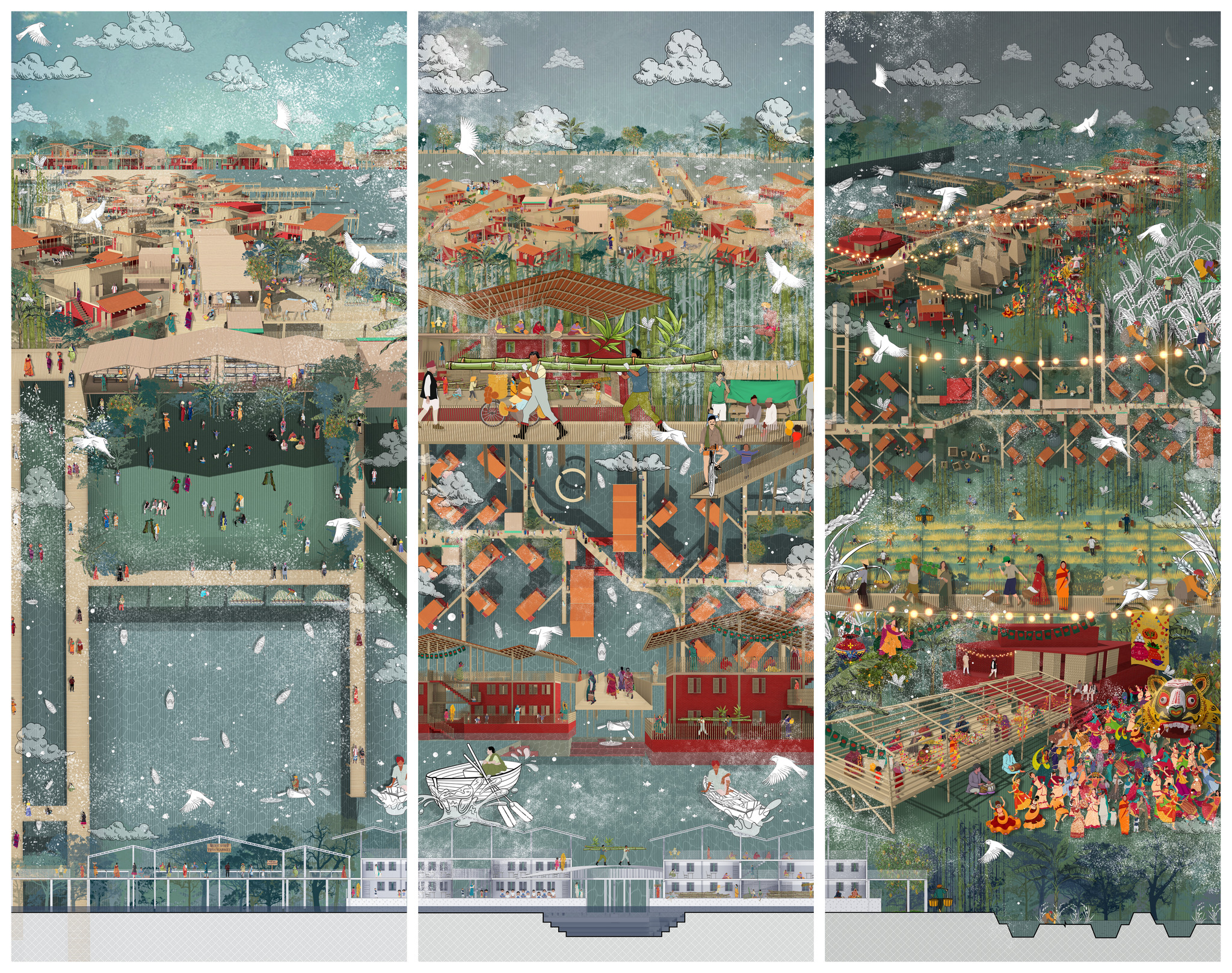
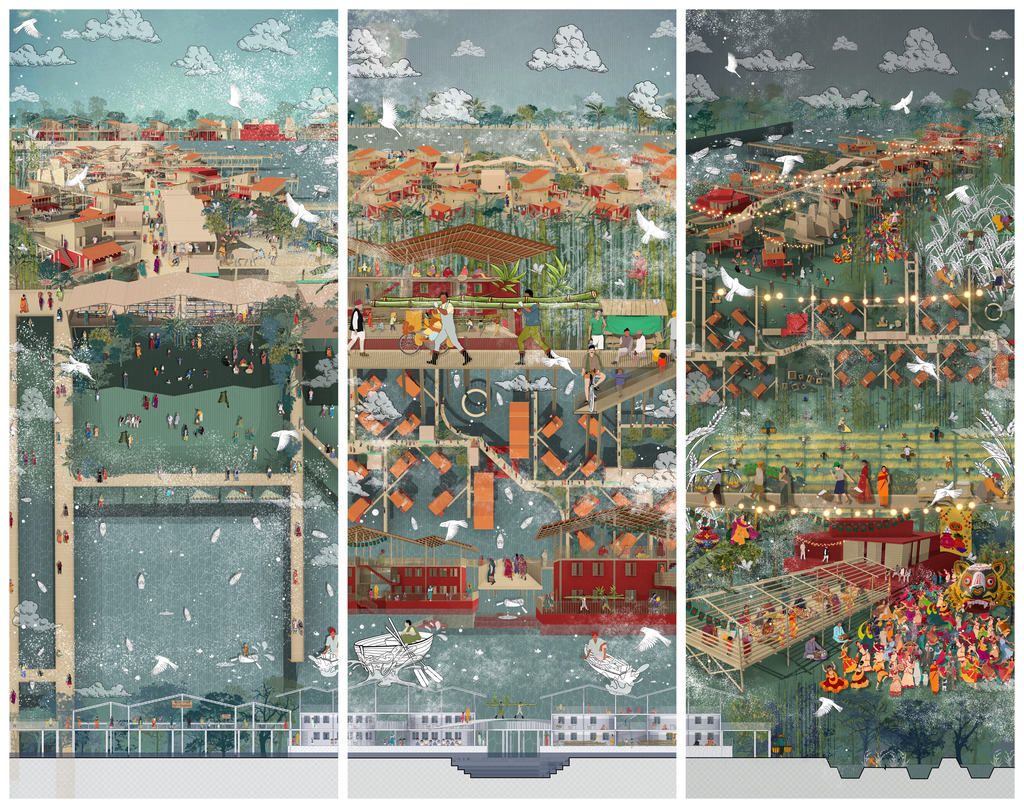
Shilpogram: A Crafter's Village by Sanjidah Chowdhury
Sanjidah Chowdhury, a graduate of the Manchester School of Architecture and Part 2 architectural assistant at dMFK Architects, took the 2025 overall prize with a triptych composition produced in Rhino, AutoCAD, Photoshop and Illustrator.
Set in Zakiganj, Bangladesh, the drawings profiled Shilpogram Village, a flood-risk community facing the pressures of rising sea levels. Chowdhury's proposal followed fishermen, craftspeople and farmers, using in-person fieldwork and a social science framework to understand how villagers lived and worked. From that foundation, the design reimagined everyday spaces of cultivating, fishing, crafting, education and gathering as a means of sustaining livelihoods and strengthening community life. The proposal centred on the agency of marginalised villagers, drawing on local materials, crafting traditions and construction techniques to reshape the built environment in a way that was both culturally rooted and responsive to climate risk.
2025 hand drawn special prize winner
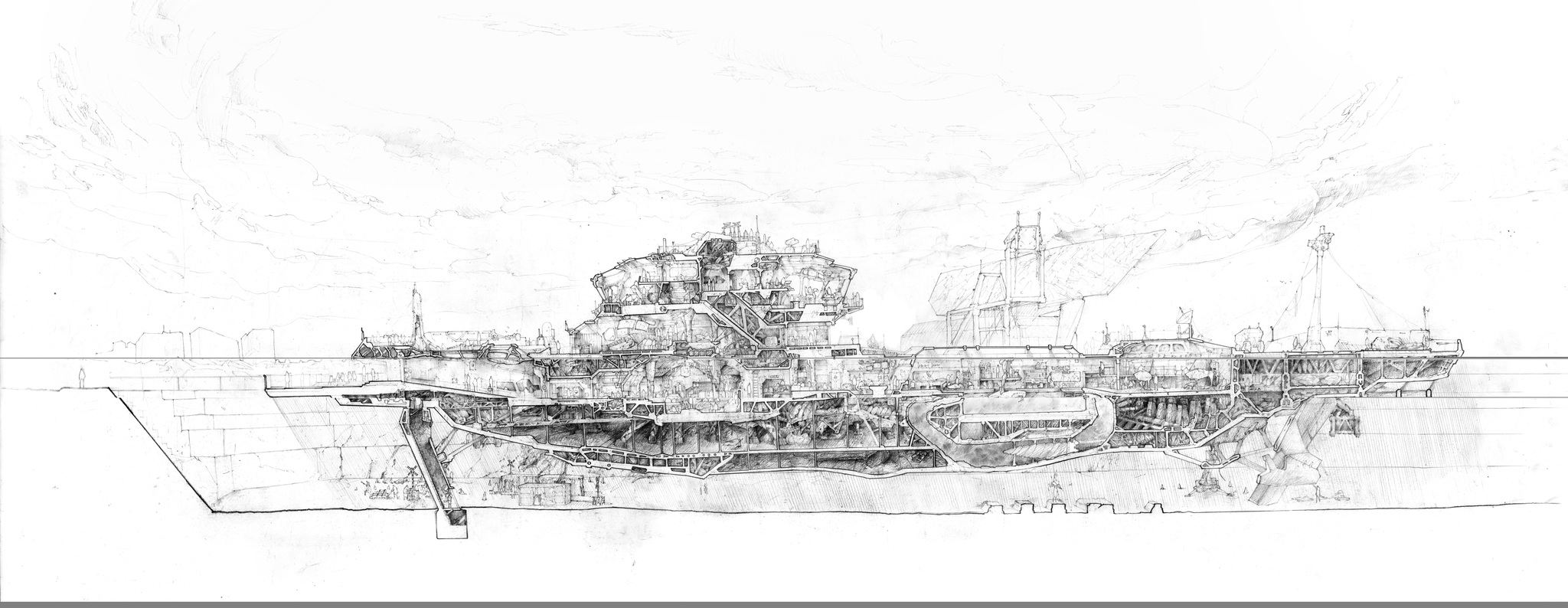
Dockyard X’ by Jason Wang
Crafted using graphite on paper, Wang’s project envisions an architectural intervention where a team of specialists repurpose decommissioned naval components, embedding the site’s military maritime identity into an experimental hydrofoil design.
2025 winners

This project reimagines decommissioned naval components into an experimental hydrofoil hub that fuses maritime heritage with innovation, exploring how humans can reclaim presence and purpose amid machine-dominated environments.
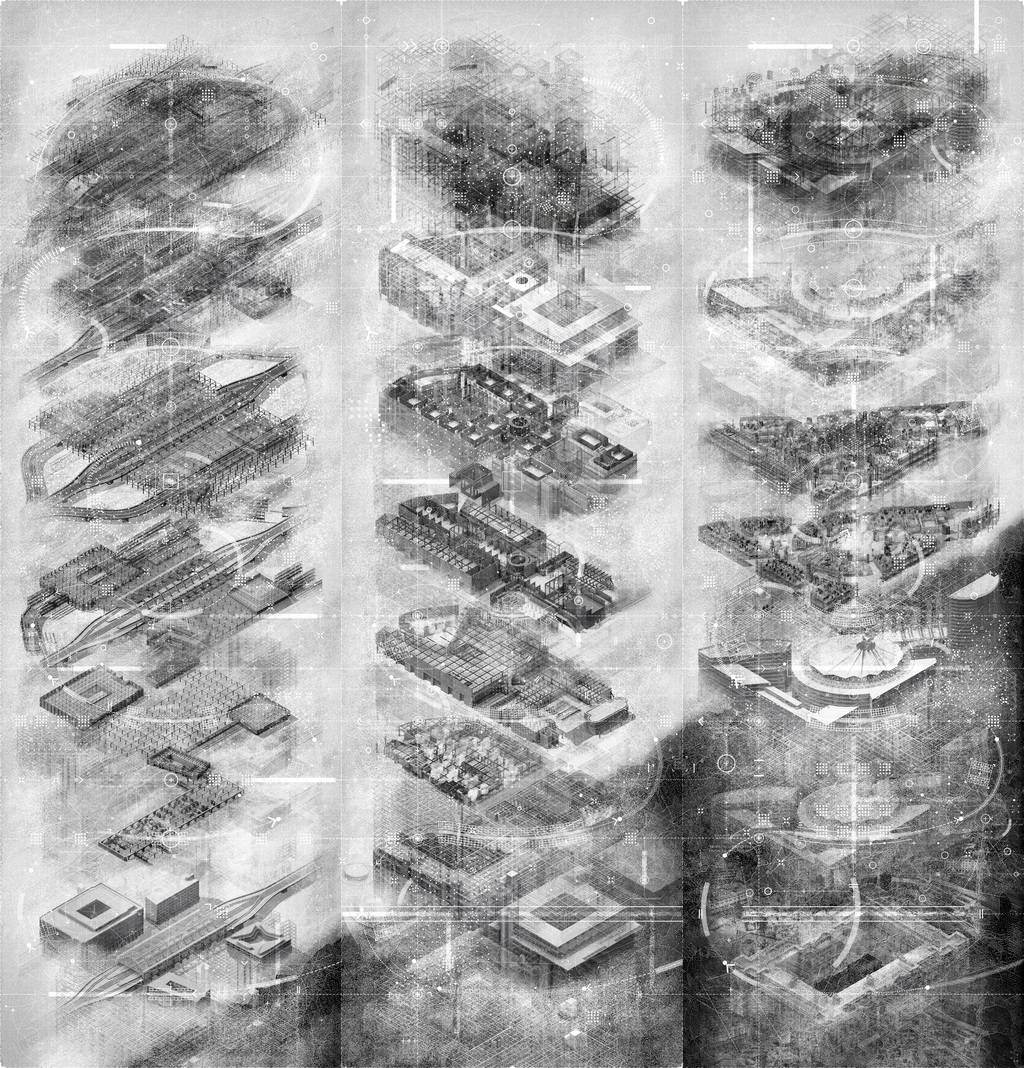
This project examines the tension between top-down and bottom-up design by using typological and diagrammatic reasoning to explore how adaptive architectural systems can quietly yet dynamically shape and respond to evolving urban conditions.
This project proposes an architectural response to the 2004 Morecambe Bay tragedy—a memorial, RNLI station, and survival training pool in Blackpool—that educates coastal communities, commemorates lost lives, and explores resilience through emotionally and temporally driven design.
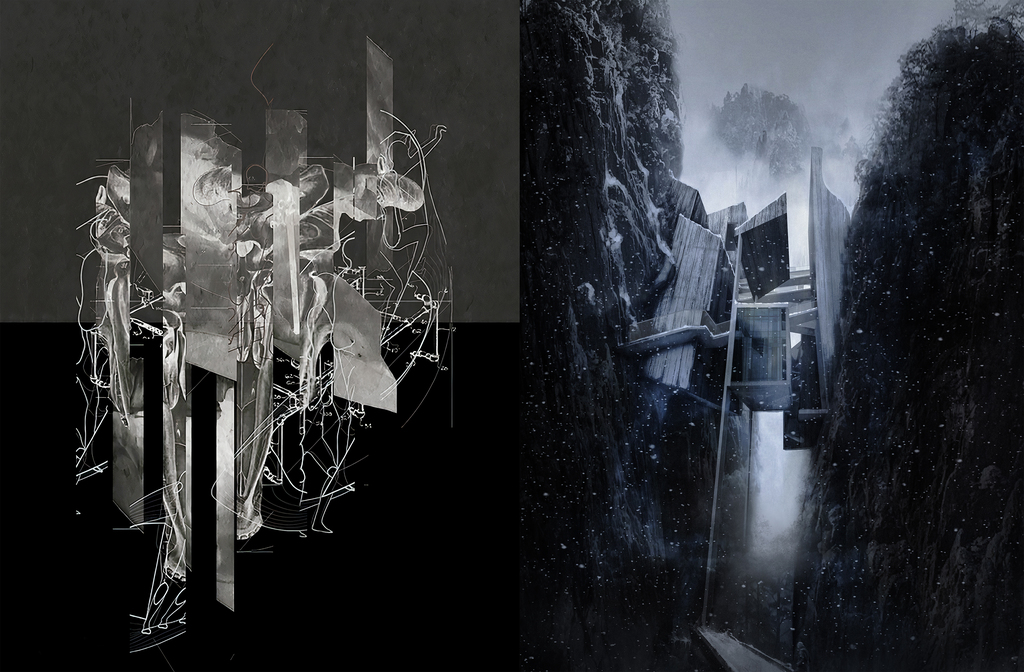
Almost Forgotten is an architectural exploration that transforms fragmented materials and intuitive making into a suspended, fractured structure, using space, light, and material to evoke memory, loss, and belonging.
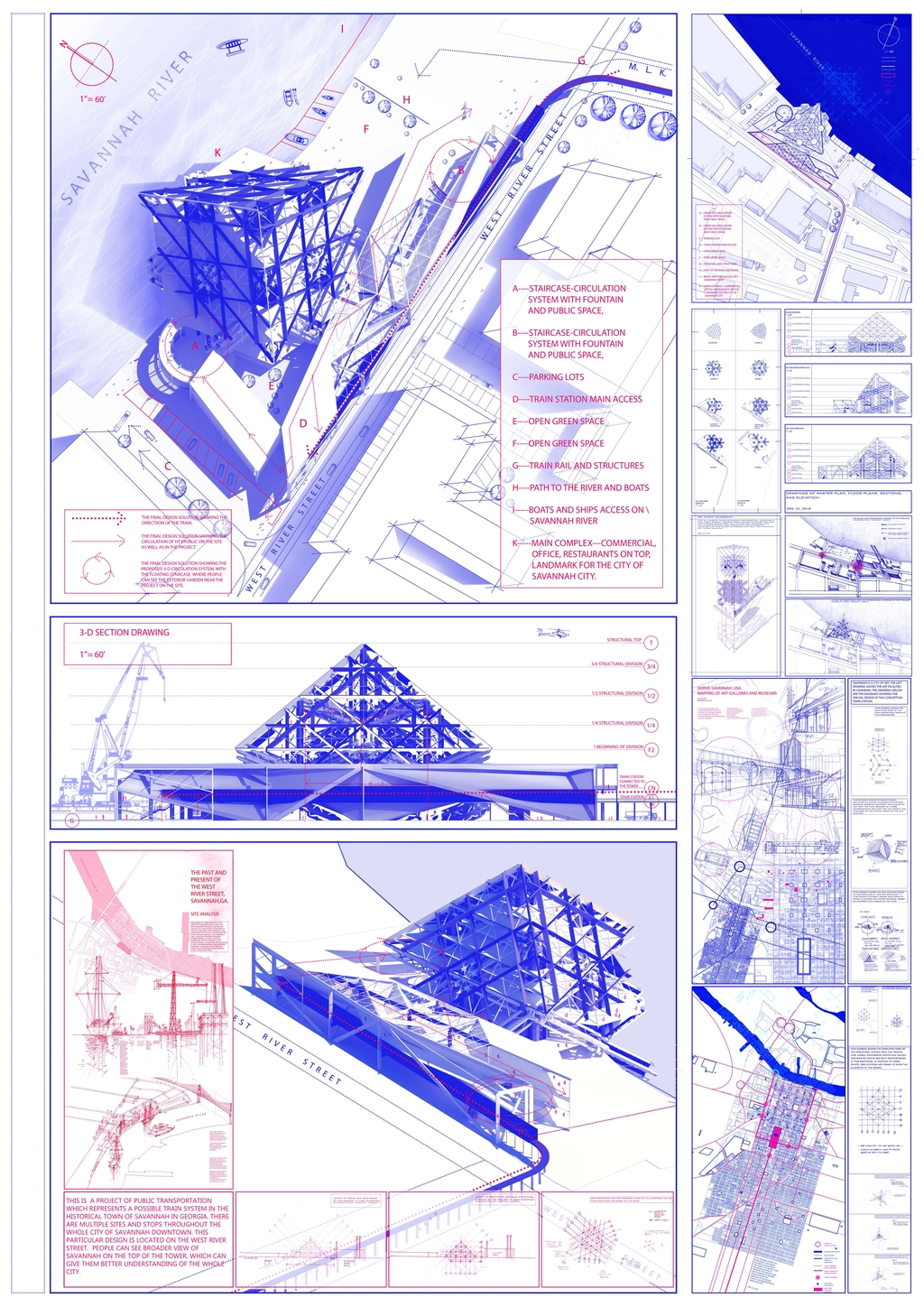
This drawing presents the Savannah Train Station as a spatial narrative that decodes ecological, historical, and infrastructural systems, using design to reveal the city’s evolving social, environmental, and economic dynamics while proposing adaptive, resilient urban infrastructure.
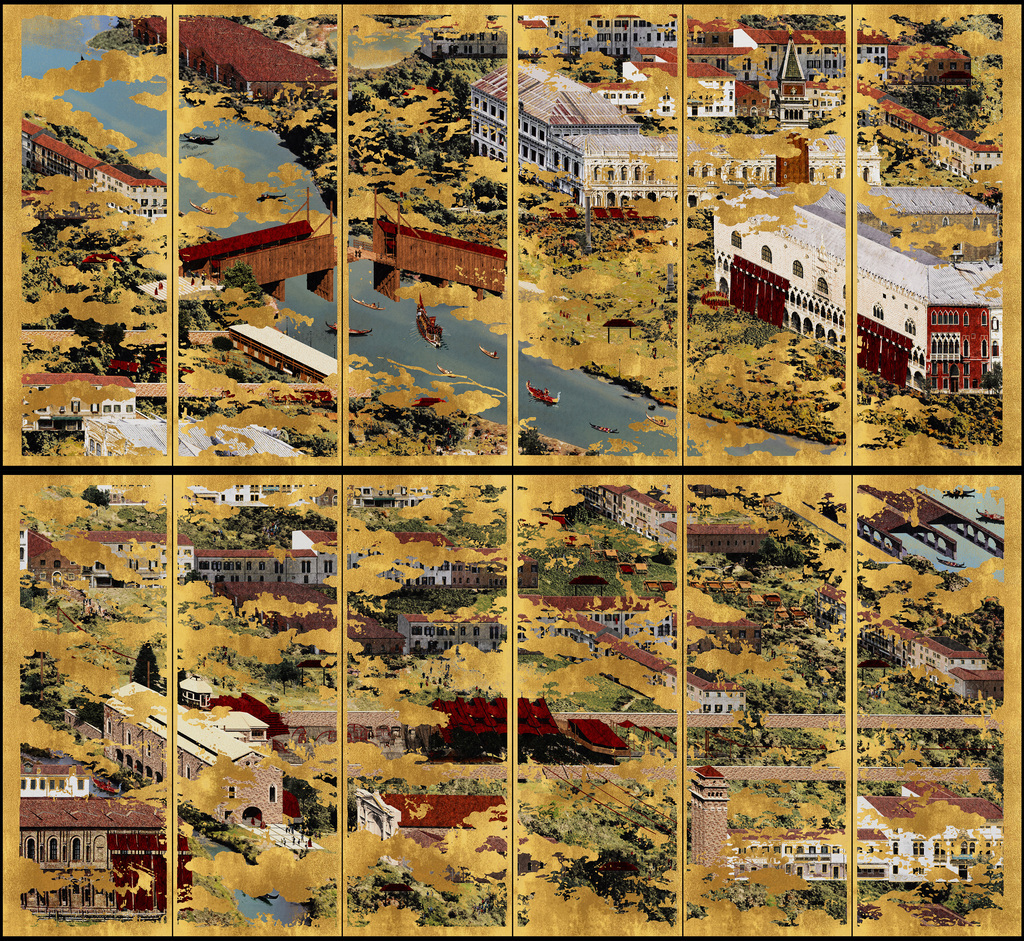
The Tales of Liminality reinterprets Venice through a 12-panel screen that weaves the city’s silk heritage with transnational histories, challenging Eurocentric urban narratives and highlighting the fluid, intersecting cultural influences along the Silk Roads.
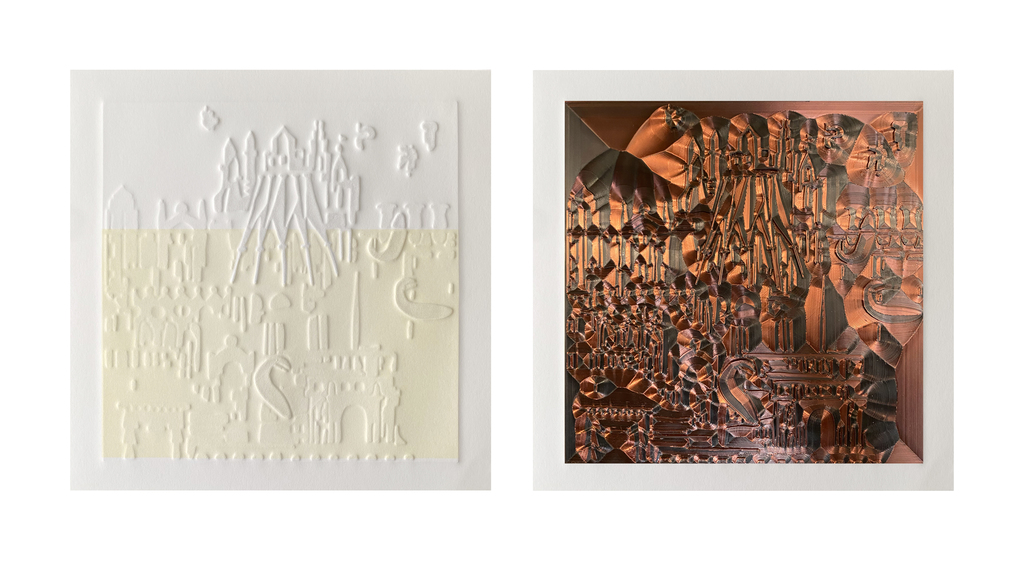


This diptych critiques architecture’s entanglement with social media, AI, and ideological posturing, using contrasting methods to expose how critical theories and stylistic rivalries can become self-serving myths rather than rigorous discourse.
Living Soil is a design research project that creates a visually engaging representation of soil biodiversity, capturing the complex interactions of an ecosystem to inspire awareness, imagination, and appreciation for an often-invisible and endangered environment.
The reimagined Swan Hunter fabrication shed transforms a historic dry dock into a collaborative, educational space that fosters innovation in manufacturing, builds on the region’s industrial heritage, and promotes community engagement through hands-on learning and systemic problem-solving.
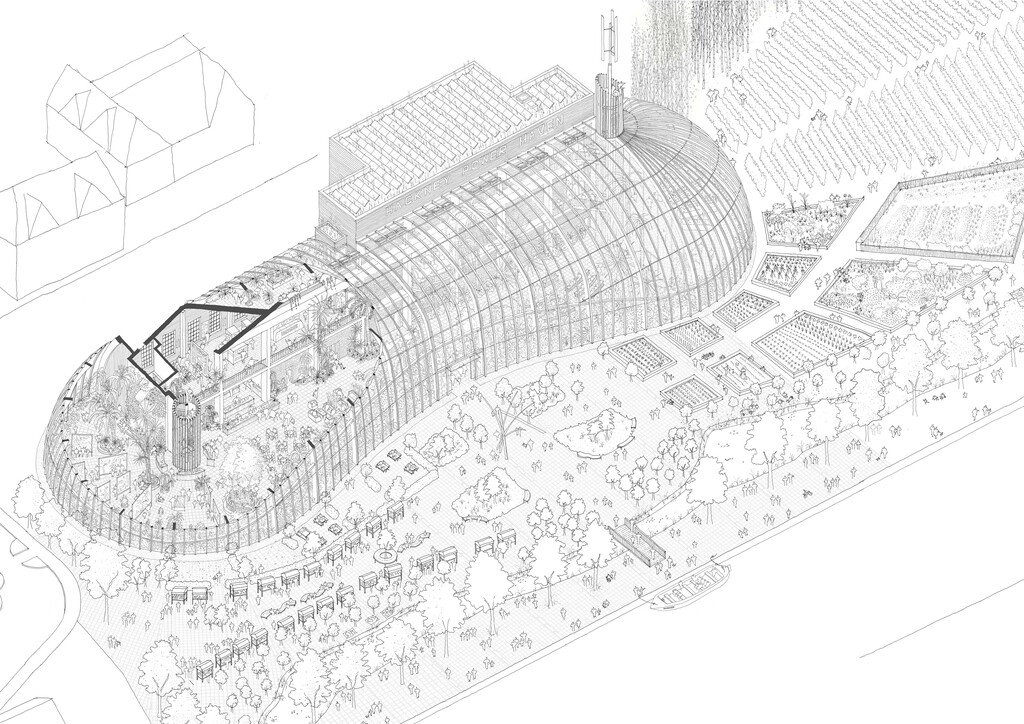
Hackney Power Plant repurposes a former coal-fired power station into an educational and research hub for sustainable, carbon-sequestering materials and products, embodying a circular economy to address past environmental damage and the climate emergency.
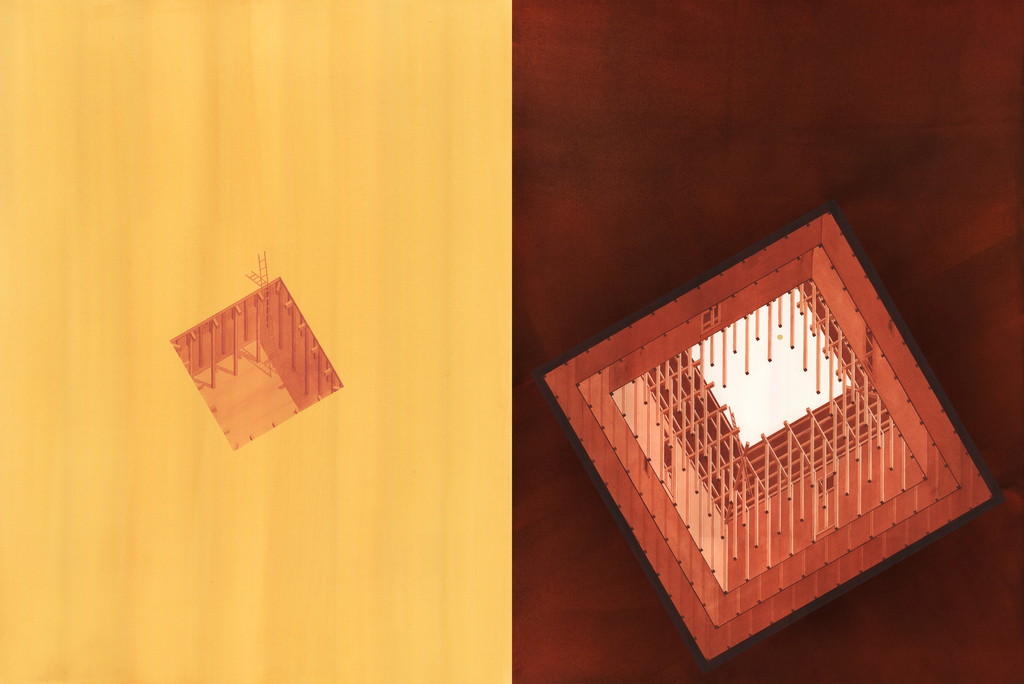
This axonometric diptych of Mary Miss's 'Perimeters/Pavilions/Decoys' shows the project from two vantage points, the centre of the sun and the centre of the earth, serving as an analytical tool, a means to survey and test what it means to perceive diametrically opposing positions simultaneously.
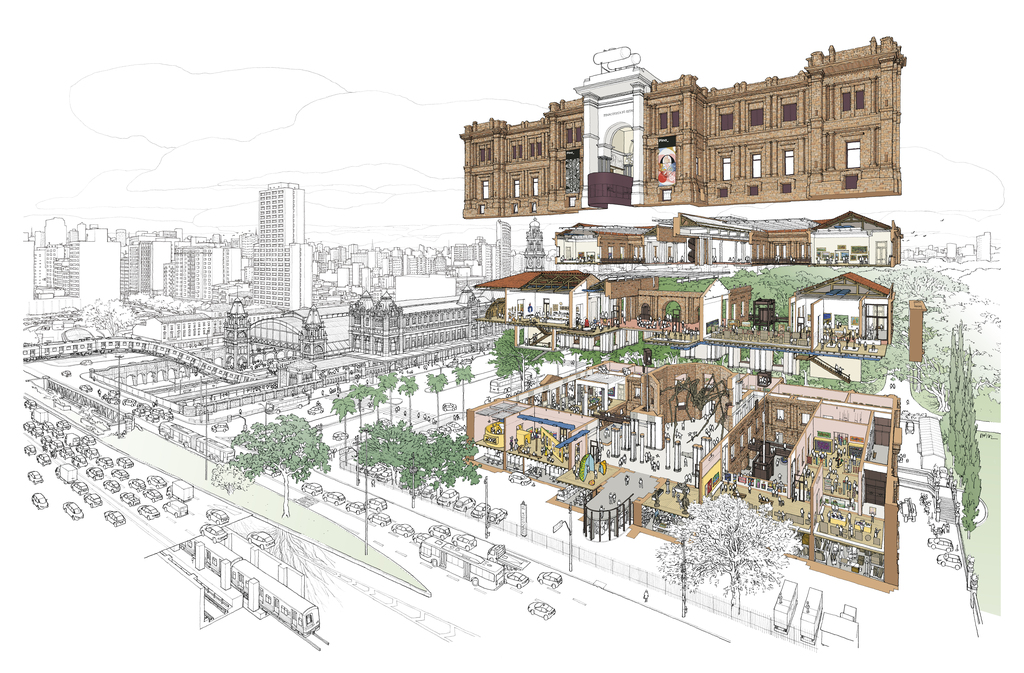
The exploded perspective of the São Paulo State Art Gallery illustrates both the historic and modern interventions, highlighting the museum’s spatial relationships, public activities, and interactions with art and the city, using a playful approach to engage viewers of all ages.
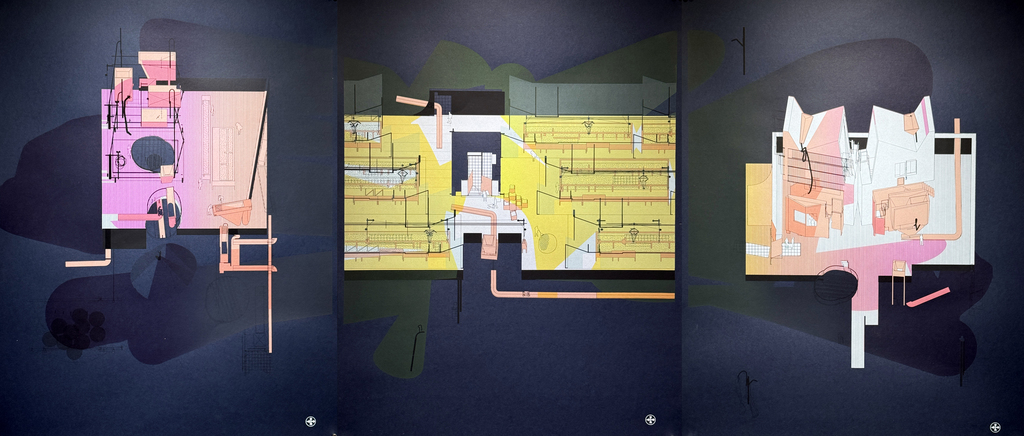
Super-Mega-Ruralistic is a speculative design project that transforms industrial landscapes into elevated, adaptive agricultural systems integrating ecological restoration, climate resilience, and energy-responsive crop modulation, visualized through a hybrid triptych that conveys both structure and atmospheric light.
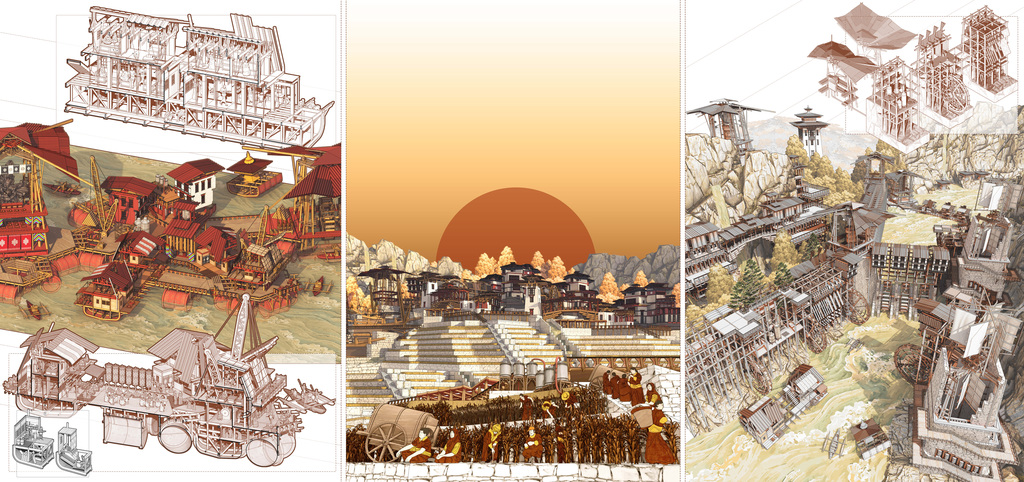
This project envisions a resilient, inhabitable landscape in Bhutan that addresses climate-induced water crises by securing water, food, energy, and cultural resources while protecting downstream ecosystems, depicted through floating villages and a weaving promenade.
The Shilpogram Village proposal reimagines a flood-prone Bangladeshi community through socially informed, culturally sensitive, and environmentally sustainable interventions that elevate traditional livelihoods, craftsmanship, and everyday practices to foster resilience, equity, and adaptive living.
The 2023 webinar
The 2023 winners


The 2022 winners

Hybrid
Overall and Hybrid Category Winner
Fitzroy Food Institute
Samuel Wen and Michael Ren
'Fitzroy Food Institute stands out for its well-considered and subtle use of colour. It’s a very accessible drawing looking over a shared meal at a table; yet it is full of architectural interest featuring not only a plan, but sections and elevations as well as detail. A conceptually original and genuinely delightful entry.'Ken Shuttleworth, founder, Make Architects
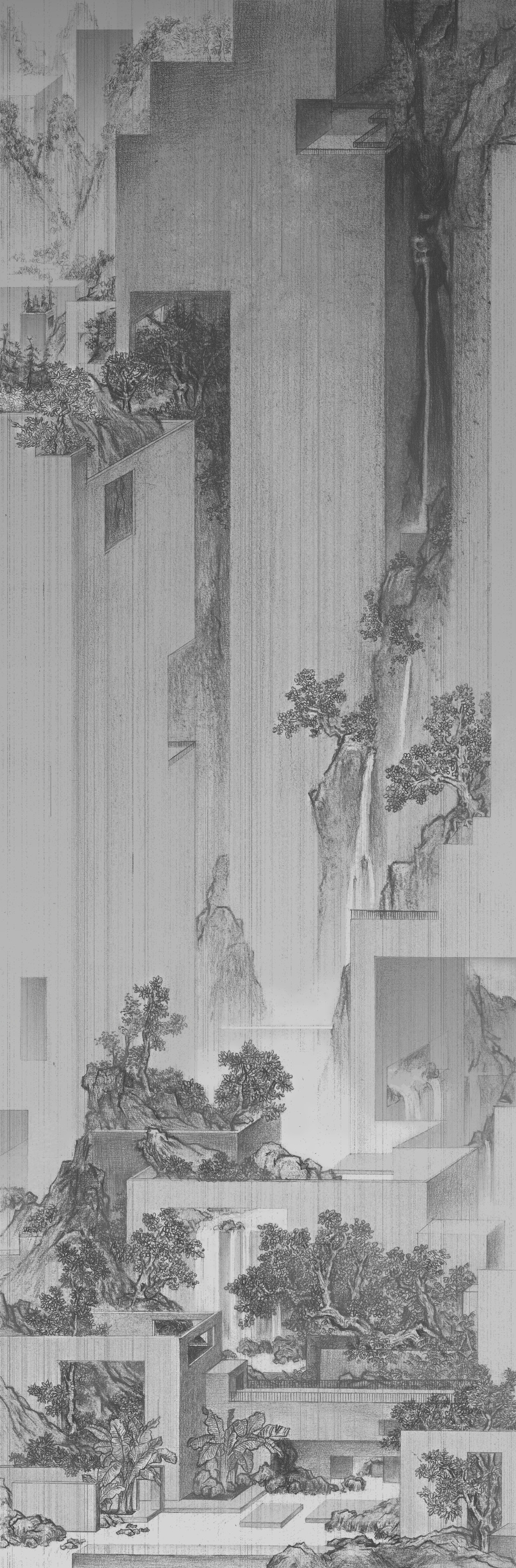
Hand-Drawn Category Winner
The Spirit of Mountain
Weicheng Ye
‘This is a drawing of great delicacy which highlights the difference between a tall-building aesthetic, and the possibility of disrupting it in a creative way via the insertion of nature as artistic intervention. A very worthy winner.’
Paul Finch, Director, WAF
Digital
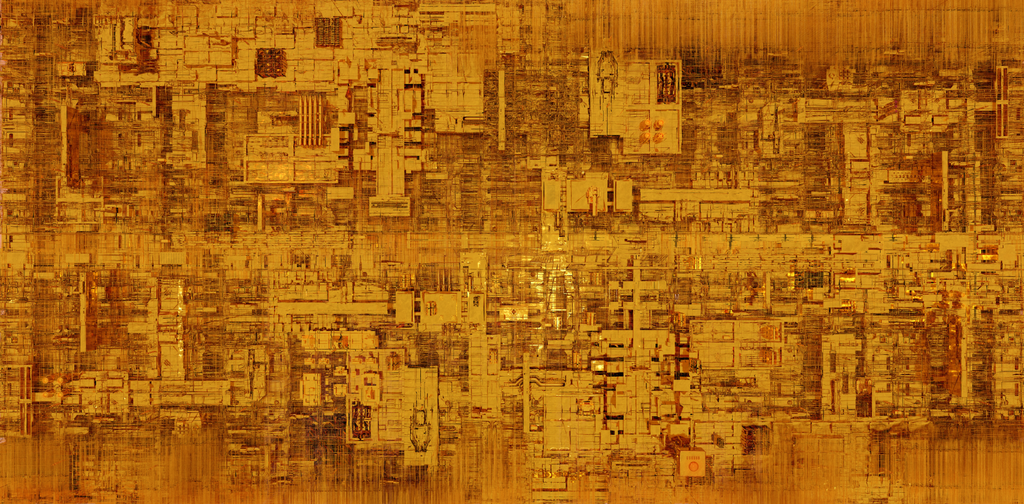
Digital Category Winner
The Wall
Anton Markus Pasing
'The Wall fills the view with a golden elevation: expansive and richly complex, it appears both vertical and horizontal, before us and below us, a terrain of construction and sedimented accumulation. It is not a border or a barrier, it is a space itself, a place of habitation, a record of social interaction. The wall is like time, it is history in the making.'
Artists Ben Langlands and Nikki Bell
Archive
Drawing prize archive
2021 winners and shortlist
Take a look at the 2021 winners and shortlist drawings across its three categories: Hand-drawn, Digital and Hybrid.View the 2020 virtual exhibition
During the pandemic, the usual exhibition of drawings couldn’t take place at the Sir John Soane’s Museum. Make Architects, therefore, produced a virtual gallery of all the previous winners to be enjoyed by audiences at any time all across the world.
Media
TADP Instagram
Follow The Architecture Drawing Prize Instagram account and join in the conversation.
TADP blog
Read the latest blog posts from the Architecture Drawing Prize, created by Make.
TADP Sponsor

TADP Curators

Curator
TADP Media partners
TADP Media Partners

Archdaily
Founder Partner